
Zakat
Choose an amount
Zakat Projects Have Been Certified By Dr. Yahya Hendi Of Fiqh Council Of America
The Need
Zakat is an obligation for eligible Muslims and one of the five pillars of Islam. A common rate is 2.5% of qualifying wealth that reaches the Nisab threshold and has been held for one lunar year. The exact calculation can depend on the type of wealth and the scholarly guidance you follow.
For people unable to afford food, shelter, or other essentials, Zakat is practical support—not a loan to repay. The Qur’an names eight categories of recipients. Droplets of Mercy directs Zakat to eligible recipients under our policy, with separate fund handling and financial oversight.
Estimate your amount with the Zakat calculator, and read our Zakat policy and transparency information.
Allah says in the Qur’an:
“Zakah expenditures are only for the poor and for the needy and for those employed to collect [zakah] …”
How We Handle Zakat
Recipient eligibility
Our Zakat policy sets eligibility requirements and limits Zakat distribution to the recipient categories named in Qur’an 9:60.
Separate fund handling
The policy states that Zakat funds are transferred to a separate bank account and are not mixed with other program or administrative expenses.
Review and oversight
The policy describes project due diligence, monitoring, financial review, and a cap on administrative and project costs charged to Zakat funds.
How You Can Help
$100
Give Your Zakat
Contribute toward your Zakat obligation and support eligible people facing hardship. This is a suggested donation, not a fixed Zakat amount.
Give $100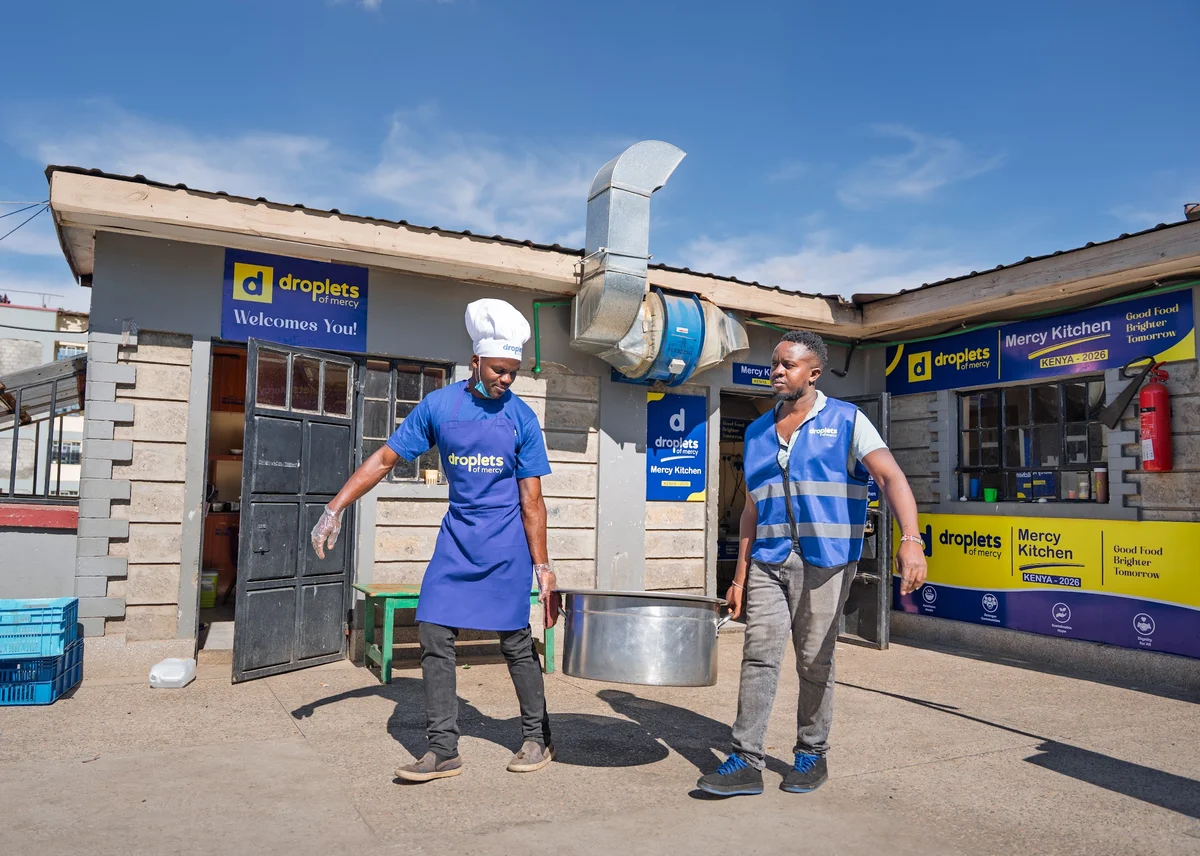
$250
Support Essential Needs
Help eligible recipients meet essential needs through our Zakat fund. Give this amount or calculate a contribution based on your own qualifying wealth.
Give $250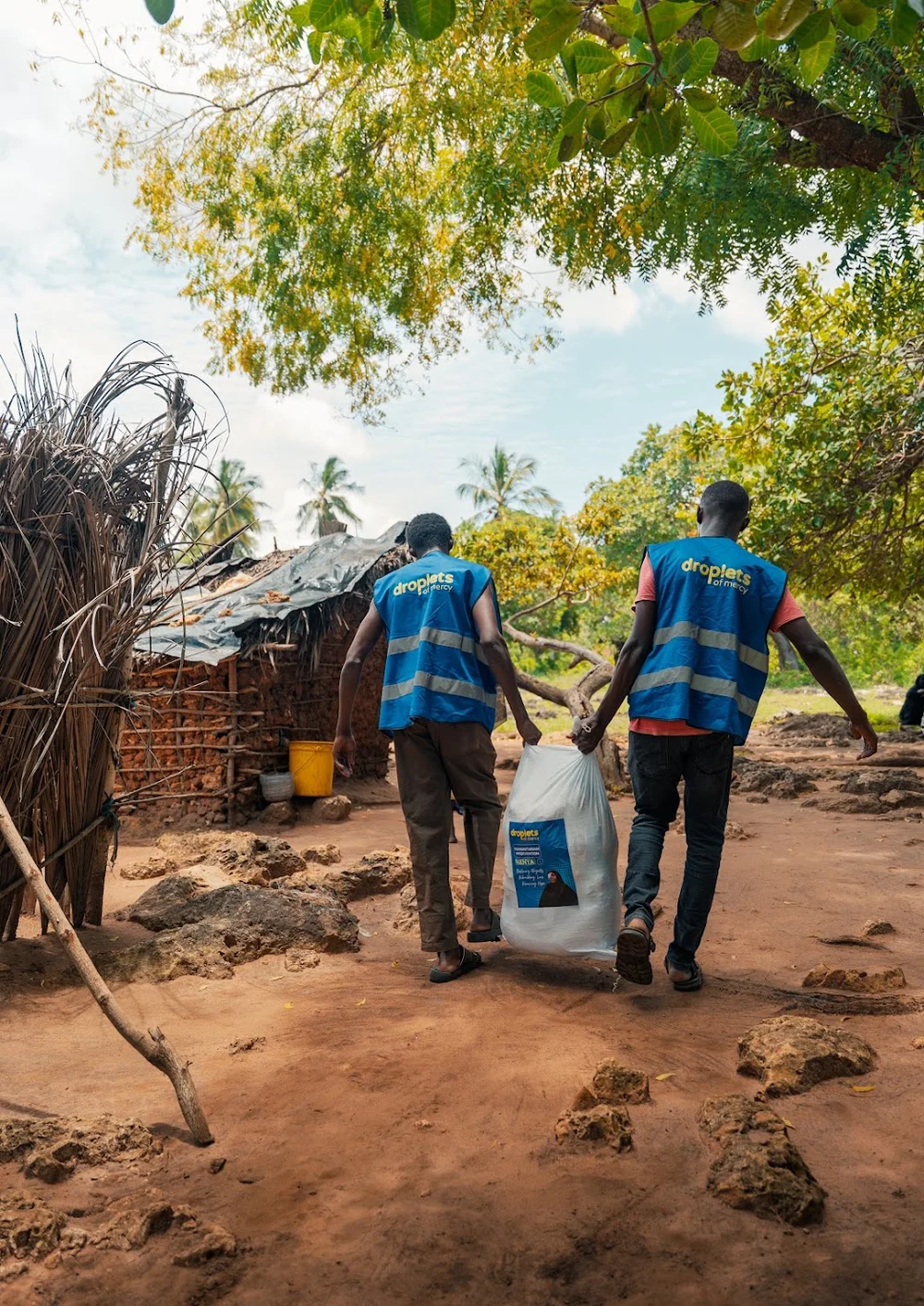
Monthly
Monthly contribution
Set up an ongoing contribution to support the organization’s Zakat work. Monthly giving is not a replacement for calculating annual Zakat due.
Give monthlyPrograms first
We prioritize essential aid for communities in need.
Scholar verified
Zakat projects certified by Dr. Yahya Hendi of Fiqh Council of America.
Follow our work
Read project updates and financial reports.
Our Work and Impact
These records show Droplets of Mercy’s broader organizational work. Listing a project here does not mean it has been certified as Zakat-eligible; see our Zakat policy for the eligibility approach.
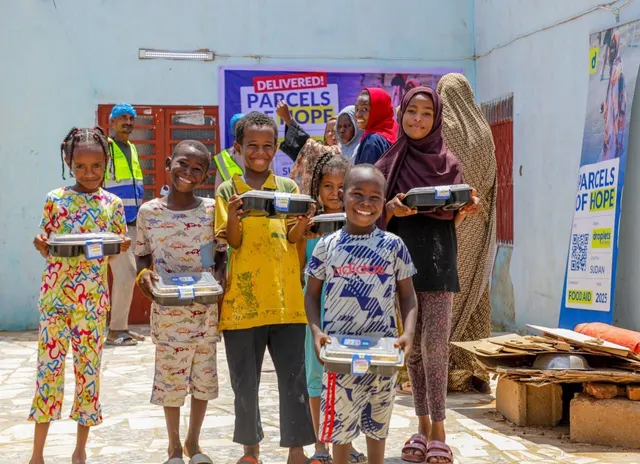
IN PROGRESS
Soup Kitchen Sudan – Phases 2 & 3
- Location
- Sudan
- Project overview
- Expanding daily meal distributions and kitchen capacity in Sudan, with a focus on widows, orphans, older people, and displaced families.
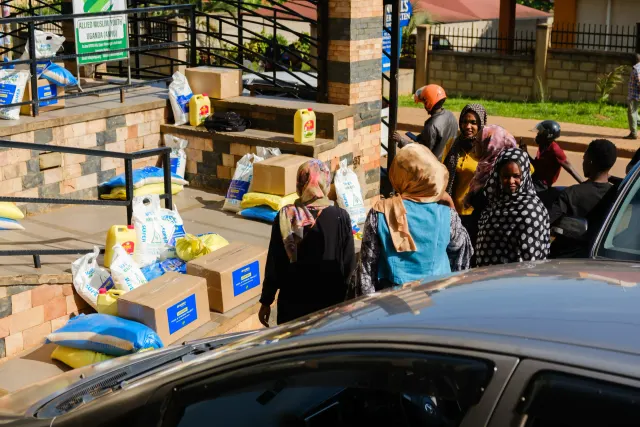
COMPLETED
Uganda Shelter and Food Relief
- Location
- Uganda
- Project overview
- Food and hygiene supplies for Sudanese refugees and other vulnerable families in Bweyale, Kampala, and Kamuli District, alongside a safe home for a widowed family.
COMPLETED · 2026
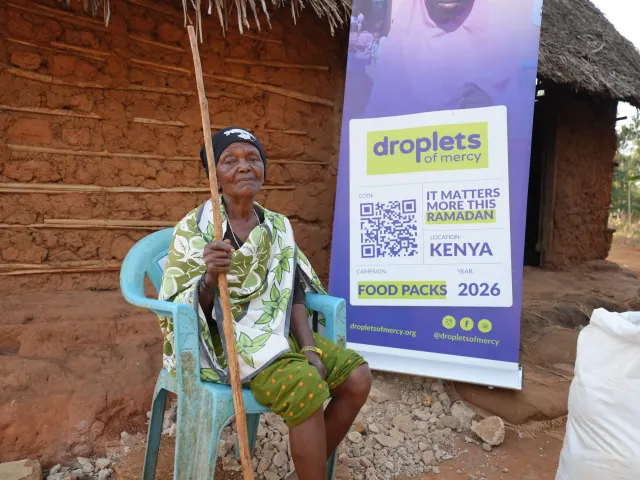
Ramadan Food Assistance for Drought-Affected Families in Kenya – 2026
- Location
- Kenya
- Project overview
- Ramadan food packs for drought-affected families in Kilifi and Mandera, and daily iftar meals through a Mercy Kitchen in Nairobi.
- Beneficiaries
- approximately 1,750 individuals through food pack distribution. 370 Individuals with daily iftar meals.
From Your Intention to Zakat Giving
Work out your Zakat
Review your qualifying assets, liabilities, Nisab threshold, and the guidance you follow. Our Zakat calculator can help with an estimate.
Choose your contribution
Give a one-time Zakat contribution or select monthly giving. Monthly contributions are donations; they are not a substitute for calculating your annual Zakat obligation.
Funds are handled under our policy
Droplets of Mercy acts as an agent for donors. Zakat is kept in a separate account and directed to recipients who meet the policy’s eligibility requirements.
Review our accountability information
Read the Zakat policy and explore the project library for verified information about the organization’s broader work. A listed project is not, by itself, a claim of Zakat certification.
Frequently Asked Questions
What is Zakat?
Zakat is an obligatory act of giving for eligible Muslims and one of the five pillars of Islam. The amount and eligible wealth depend on the rules and scholarly guidance you follow.
How much Zakat do I pay?
A common rate is 2.5% of qualifying wealth. This is not 2.5% of every asset in every circumstance; asset type, debts, Nisab, and the calculation method may matter. Use our Zakat calculator as a guide and consult a trusted scholar for personal religious advice.
What is Nisab?
Nisab is the minimum threshold of wealth that makes Zakat due under the calculation method followed. Its value can change with the market price of gold or silver and scholarly guidance.
Does my wealth need to be held for a lunar year?
For many forms of qualifying wealth, Zakat is due after the wealth has reached Nisab and a lunar year has passed. Rules can differ for some assets and circumstances, so consult the guidance you trust.
Who may receive Zakat?
Qur’an 9:60 names eight categories: the poor, the needy, Zakat administrators, those whose hearts are to be reconciled, freeing captives, people in debt, in the cause of Allah, and stranded travelers. Droplets of Mercy’s policy explains its recipient eligibility approach.
How does Droplets of Mercy handle Zakat?
The organization’s policy says Zakat is held in a separate bank account, and that funds are restricted to eligible recipients. The policy also describes project review, monitoring, and financial oversight. Read the full policy for the details and limitations.
Are projects in the project library automatically Zakat-certified?
No. The project library shows verified information about Droplets of Mercy’s broader work. A project listing is not a claim that the project has been certified as Zakat-eligible. The policy describes how Zakat eligibility is reviewed.
Can I give monthly?
Yes. Monthly contributions are available as an ongoing donation option. You should still calculate and fulfil any annual Zakat obligation according to the guidance you follow.
Where can I calculate my Zakat or read the policy?
Use the Zakat calculator to estimate your amount, and read the Zakat and transparency policy to understand the organization’s handling and safeguards.